Planning your TV time around the upcoming year becomes easier when you understand the banana ball tv schedule 2026 in detail. This guide breaks down the most relevant broadcast blocks, highlights where the strongest programming lands, and offers practical steps to fit shows into a busy routine. Whether you’re a casual viewer or someone who tracks ad exposure, the schedule provides a clear framework for where to tune in and what to expect.
Key broadcast windows in the 2026 banana ball tv schedule

The 2026 banana ball tv schedule organizes programming into three primary windows: early‑morning (6 a.m.‑10 a.m.), midday (11 a.m.‑3 p.m.), and evening (6 p.m.-10 p.m.). Early‑morning slots tend to feature short comedy sketches and quick‑fire segments that capture commuters and coffee‑drinkers. Midday programming leans toward longer narrative episodes, documentary‑style features, and audience‑participation pieces that benefit from a relaxed home audience. Evening windows host flagship series, live specials, and high‑stakes competitions that attract the largest viewership numbers and dominate ad revenue.
Prime time selections and audience reach
During the evening window of the banana ball tv schedule 2026, networks reserve their most recognizable titles. These programs typically run from 7 p.m. to 10 p.m. and are crafted to appeal to families, young professionals, and binge‑watchers who are most likely to stay tuned for multiple episodes. The scheduling strategy places high‑energy dramas and reality competitions adjacent to each other, encouraging viewers to remain on the channel for extended periods. This clustering not only boosts overall rating points but also creates natural slots for advertisers seeking premium exposure.
Advertising impact of the banana ball tv schedule
Advertisers prize the banana ball tv schedule 2026 because it aligns popular content with specific demographic clusters. When a flagship drama airs at 8 p.m., marketers can purchase ad space that reaches viewers aged 25‑45 who are statistically more receptive to new product launches. Moreover, the consistent placement of commercial breaks at the start and end of each hour maximizes repetition without overwhelming the audience. Networks often bundle ads with “watch‑next” prompts, encouraging viewers to switch to companion shows within the same schedule block.
How to plan your viewing around the 2026 lineup
To get the most out of the banana ball tv schedule 2026, set up a simple reminder system that alerts you a few minutes before each block begins. Many streaming platforms now sync their guide data with the official broadcast calendar, allowing you to see upcoming episodes on your phone or smart TV. If you prefer linear TV, consider using a digital video recorder that can capture entire evening slots, ensuring you never miss a live twist or guest appearance. Pairing a primary show with a short recap video or a related podcast can deepen comprehension, especially for serialized storylines that rely on continuity.
Limitations and realistic expectations
While the banana ball tv schedule 2026 offers a balanced mix of genres, some niche programs may receive limited airtime, often relegated to early‑morning or weekend slots. Additionally, live events such as sports broadcasts or breaking news can pre‑empt scheduled episodes, shifting the lineup by a few hours or days. Being aware of these variables helps viewers stay flexible and avoid frustration when a favored show moves unexpectedly. Ultimately, the schedule provides a solid framework, but success depends on adapting to occasional changes.
Planning your TV time around the upcoming year becomes easier when you understand the banana ball tv schedule 2026 in detail. This guide breaks down the most relevant broadcast blocks, highlights where the strongest programming lands, and offers practical steps to fit shows into a busy routine. Whether you’re a casual viewer or someone who tracks ad exposure, the schedule provides a clear framework for where to tune in and what to expect.
Key broadcast windows in the 2026 banana ball tv schedule
The 2026 banana ball tv schedule organizes programming into three primary windows: early‑morning (6 a.m.‑10 a.m.), midday (11 a.m.‑3 p.m.), and evening (6 p.m.-10 p.m.). Early‑morning slots tend to feature short comedy sketches and quick‑fire segments that capture commuters and coffee‑drinkers. Midday programming leans toward longer narrative episodes, documentary‑style features, and audience‑participation pieces that benefit from a relaxed home audience. Evening windows host flagship series, live specials, and high‑stakes competitions that attract the largest viewership numbers and dominate ad revenue.
Prime time selections and audience reach
During the evening window of the banana ball tv schedule 2026, networks reserve their most recognizable titles. These programs typically run from 7 p.m. to 10 p.m. and are crafted to appeal to families, young professionals, and binge‑watchers who are most likely to stay tuned for multiple episodes. The scheduling strategy places high‑energy dramas and reality competitions adjacent to each other, encouraging viewers to remain on the channel for extended periods. This clustering not only boosts overall rating points but also creates natural slots for advertisers seeking premium exposure.
Advertising impact of the banana ball tv schedule
Advertisers prize the banana ball tv schedule 2026 because it aligns popular content with specific demographic clusters. When a flagship drama airs at 8 p.m., marketers can purchase ad space that reaches viewers aged 25‑45 who are statistically more receptive to new product launches. Moreover, the consistent placement of commercial breaks at the start and end of each hour maximizes repetition without overwhelming the audience. Networks often bundle ads with “watch‑next” prompts, encouraging viewers to switch to companion shows within the same schedule block.
How to plan your viewing around the 2026 lineup
To get the most out of the banana ball tv schedule 2026, set up a simple reminder system that alerts you a few minutes before each block begins. Many streaming platforms now sync their guide data with the official broadcast calendar, allowing you to see upcoming episodes on your phone or smart TV. If you prefer linear TV, consider using a digital video recorder that can capture entire evening slots, ensuring you never miss a live twist or guest appearance. Pairing a primary show with a short recap video or a related podcast can deepen comprehension, especially for serialized storylines that rely on continuity.
Limitations and realistic expectations
While the banana ball tv schedule 2026 offers a balanced mix of genres, some niche programs may receive limited airtime, often relegated to early‑morning or weekend slots. Additionally, live events such as sports broadcasts or breaking news can pre‑empt scheduled episodes, shifting the lineup by a few hours or days. Being aware of these variables helps viewers stay flexible and avoid frustration when a favored show moves unexpectedly. Ultimately, the schedule provides a solid framework, but success depends on adapting to occasional changes.
Close-up Sweet Fresh Banana Fruit Still Hanging On The Tree 50630364

Close-up Sweet fresh banana fruit still hanging on the tree 50630364 ...
Premium Photo | Close Up Photo Of Fresh Fruit Banana

Premium Photo | Close up photo of fresh fruit banana
Free Picture: Up-close, Ripe, Bananas Market
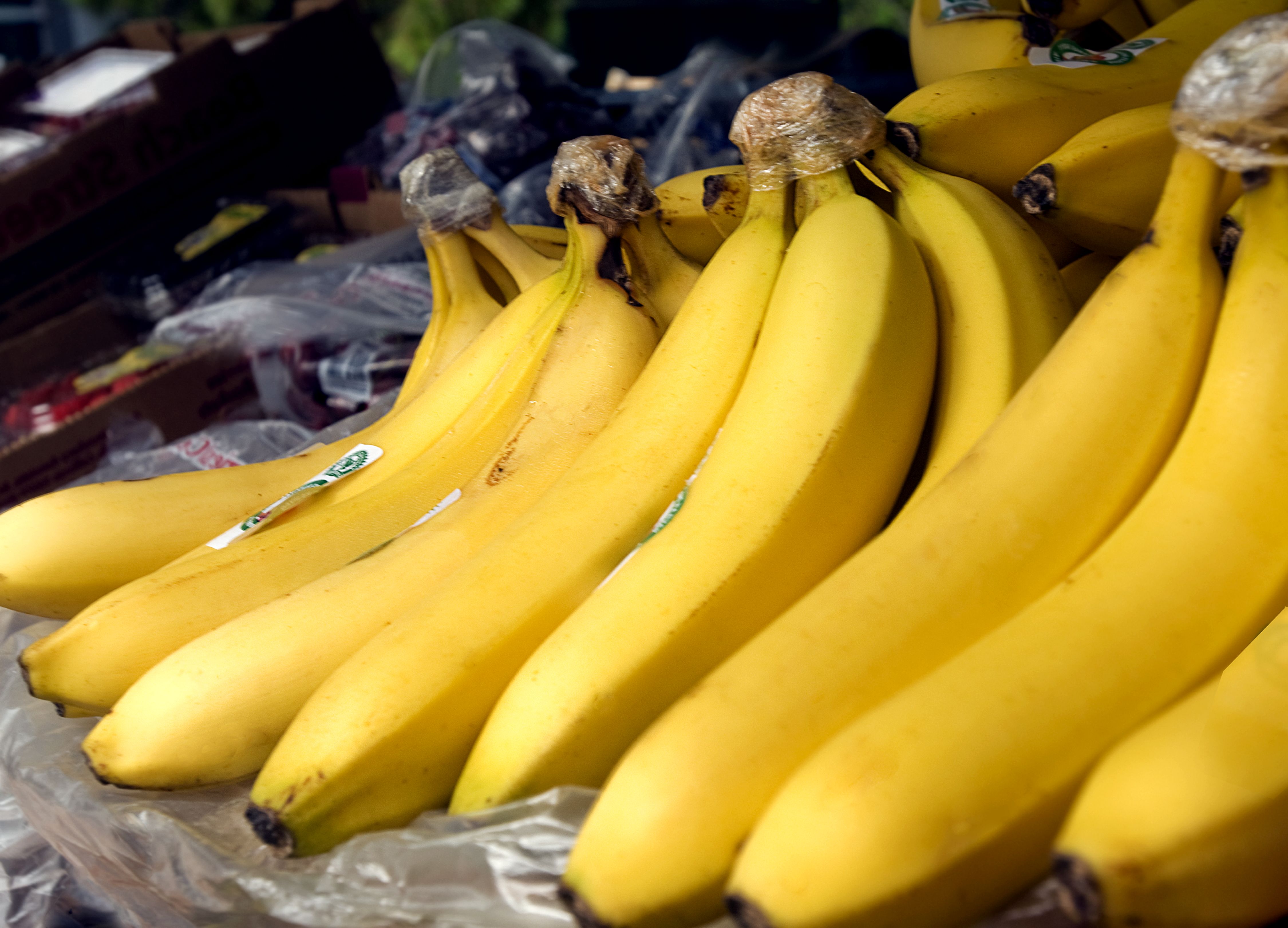
Free picture: up-close, ripe, bananas market
Premium Photo | Close Up Photo Of Fresh Fruit Banana

Premium Photo | Close up photo of fresh fruit Banana