The banana ball full schedule 2026 outlines when suppliers expect to deliver their highest‑quality fruit, letting buyers align purchases with the best price and availability windows.
Understanding the 2026 banana ball timeline

In the first quarter of 2026, growers in Central America begin planting and shipments typically start in April. Recognizing this early window lets you lock in inventory before competition spikes and before price pressures rise.
Seasonal price trends in banana ball 2026
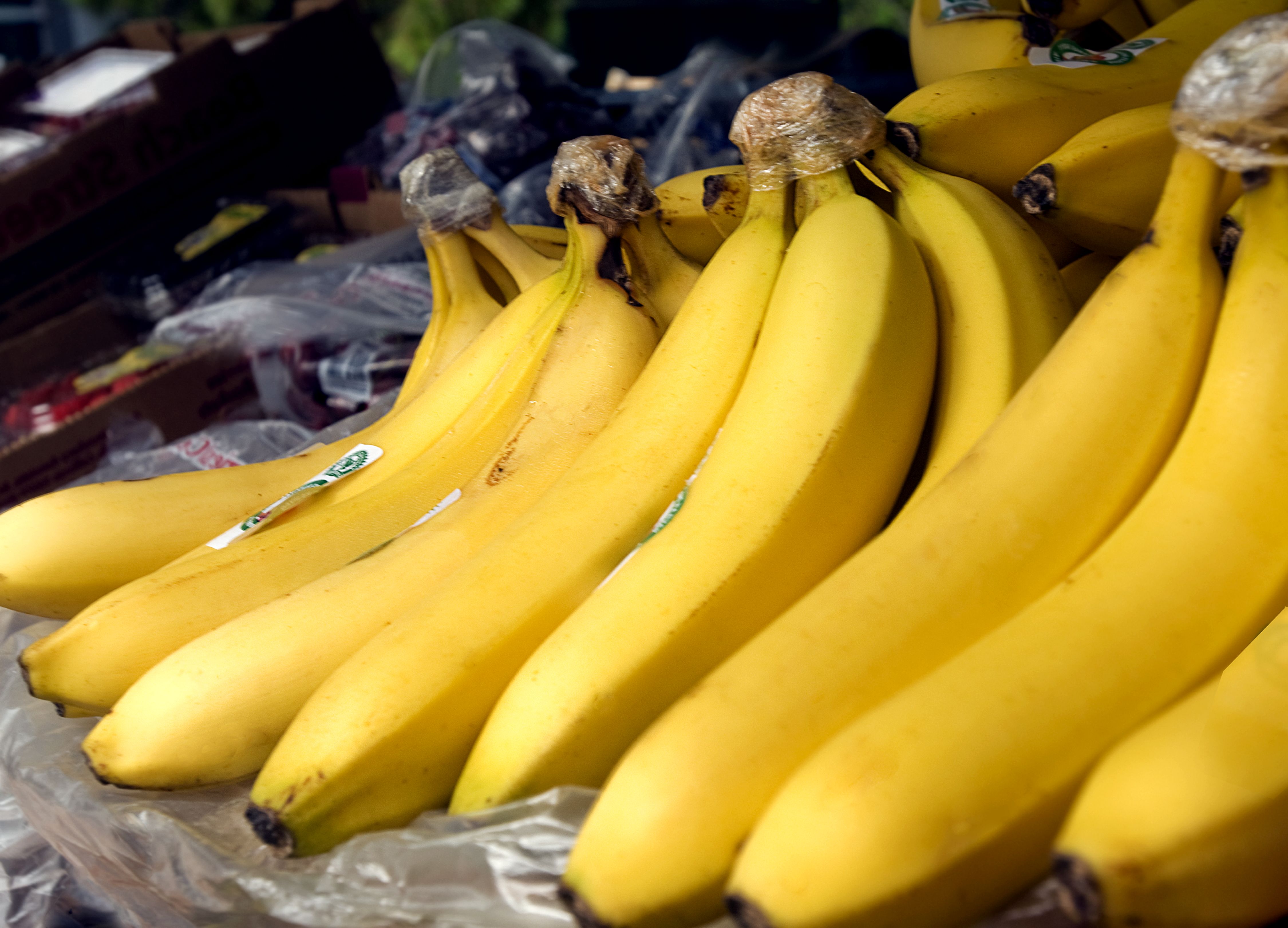
During the July‑September period the market floods with ripe bananas, often pushing wholesale prices down by 5‑10%. That’s the sweet spot for bulk orders, provided you have adequate storage and can absorb the short‑term sales dip.
Balancing supply for smarter purchasing
To balance supply, consider these actions:
- Monitor regional harvest calendars and adjust order quantities accordingly.
- Negotiate forward contracts during peak volume weeks to lock in lower rates.
- Reserve warehouse space ahead of the flood to avoid rushed shipping fees.
This approach reduces rush fees and improves margin while ensuring you never miss a delivery slot.
Realistic expectations for 2026 banana ball deliveries
Expect a steady flow rather than a single rush. The 2026 banana ball schedule spreads deliveries across six months, meaning you can plan phased orders and avoid stockouts while keeping cash flow smooth.
Planning around harvest windows
Finally, align your internal procurement calendar with the identified windows. If your target is the July‑September peak, schedule marketing campaigns and logistics contracts now to capture the lowest cost period and secure quality fruit before the market tightens.
Keeping an eye on the banana ball full schedule 2026 helps you secure quality fruit at predictable costs.
The banana ball full schedule 2026 outlines when suppliers expect to deliver their highest‑quality fruit, letting buyers align purchases with the best price and availability windows.
Understanding the 2026 banana ball timeline
In the first quarter of 2026, growers in Central America begin planting and shipments typically start in April. Recognizing this early window lets you lock in inventory before competition spikes and before price pressures rise.
Seasonal price trends in banana ball 2026
During the July‑September period the market floods with ripe bananas, often pushing wholesale prices down by 5‑10%. That’s the sweet spot for bulk orders, provided you have adequate storage and can absorb the short‑term sales dip.
Balancing supply for smarter purchasing
To balance supply, consider these actions:
- Monitor regional harvest calendars and adjust order quantities accordingly.
- Negotiate forward contracts during peak volume weeks to lock in lower rates.
- Reserve warehouse space ahead of the flood to avoid rushed shipping fees.
This approach reduces rush fees and improves margin while ensuring you never miss a delivery slot.
Realistic expectations for 2026 banana ball deliveries
Expect a steady flow rather than a single rush. The 2026 banana ball schedule spreads deliveries across six months, meaning you can plan phased orders and avoid stockouts while keeping cash flow smooth.
Planning around harvest windows
Finally, align your internal procurement calendar with the identified windows. If your target is the July‑September peak, schedule marketing campaigns and logistics contracts now to capture the lowest cost period and secure quality fruit before the market tightens.
Keeping an eye on the banana ball full schedule 2026 helps you secure quality fruit at predictable costs.
Premium Photo | Close Up Photo Of Fresh Fruit Banana

Premium Photo | Close up photo of fresh fruit Banana
Premium Photo | Close Up Photo Of Fresh Fruit Banana

Premium Photo | Close up photo of fresh fruit Banana
Close-up Sweet Fresh Banana Fruit Still Hanging On The Tree 50630364

Close-up Sweet fresh banana fruit still hanging on the tree 50630364 ...