For fans of chaotic, rule-bending baseball, the release of viewing information is a major annual event. As the sport evolves, the search for the banana ball 2026 tv schedule becomes a priority for viewers who want to catch the Savannah Bananas' unique brand of entertainment from their living rooms. Unlike traditional leagues with fixed, predictable grids, this tour operates on a dynamic traveling circuit, meaning the broadcast timeline often differs significantly from what you expect with standard major league coverage.
When comparing Banana Ball broadcasts to traditional sports
The most immediate difference a researcher will notice is the distribution model. Standard baseball is typically tethered to regional sports networks or national cable contracts like ESPN or TBS. In contrast, Banana Ball has increasingly prioritized direct-to-consumer streaming and specific broadcast partnerships that mimic a concert tour more than a sports season. When you look for the schedule, expect to see links to YouTube, dedicated streaming apps, or one-off special event slots on major networks rather than a weekly recurring time slot. This requires fans to be more proactive in bookmarking specific dates rather than setting a DVR for a recurring series.
Visualizing the Fresh Approach to Coverage

Just as this image captures the natural, unpeeled beauty of the fruit, the broadcast production for these events focuses on raw, unfiltered fan interaction. Whereas traditional broadcasts rely on standardized camera angles and quiet commentary, the viewing experience here is designed to feel like you are on the field. The "schedule" is essentially a list of 30 to 35 high-energy productions. It is helpful to compare the release of these dates to a music festival lineup drop; they tend to be released in clusters, requiring the audience to map out their viewing habits well in advance of the first pitch.
If you are locating games on streaming platforms
Because the tour travels to different minor league and major league stadiums, the local broadcast rights can technically vary, though the team usually aggregates these for a seamless digital experience. A practical note for the detail-oriented viewer is to verify time zones immediately. Since the schedule encompasses stadiums from coast to coast, a 7:00 PM start time might mean 4:00 PM or 10:00 PM depending on your location. Furthermore, blackout restrictions are less common than in traditional leagues, but verifying the "start streaming" time versus the "first pitch" time is a crucial step to avoid missing the famous pre-game bananas.
Zooming in on the details of the tour dates

Getting a close look at the itinerary reveals that the schedule is often organized by "batches" of city visits. Rather than releasing the full year in January, the operators may stagger the announcements to maintain hype throughout the year. For the 2026 cycle, look for announcements around the fall of the prior year. This staggered approach allows for adjustments based on stadium availability and weather, offering a flexibility that rigid sports schedules cannot match.
Scenario: Setting reminders for the 2026 season
Since you cannot rely on a consistent "every Saturday at 2 PM" pattern, digital calendars are your best tool. Unlike following a team with a 162-game slate, here you are tracking a curated list of must-see events. The most effective strategy is to check the official tour page periodically, as updates to the TV schedule—including which streaming service hosts specific games—can shift as partnerships are finalized. Treat these dates like tickets to a live event; once the time is confirmed, blocking it out on your calendar ensures you do not miss the spectacle.
For fans of chaotic, rule-bending baseball, the release of viewing information is a major annual event. As the sport evolves, the search for the banana ball 2026 tv schedule becomes a priority for viewers who want to catch the Savannah Bananas' unique brand of entertainment from their living rooms. Unlike traditional leagues with fixed, predictable grids, this tour operates on a dynamic traveling circuit, meaning the broadcast timeline often differs significantly from what you expect with standard major league coverage.
When comparing Banana Ball broadcasts to traditional sports
The most immediate difference a researcher will notice is the distribution model. Standard baseball is typically tethered to regional sports networks or national cable contracts like ESPN or TBS. In contrast, Banana Ball has increasingly prioritized direct-to-consumer streaming and specific broadcast partnerships that mimic a concert tour more than a sports season. When you look for the schedule, expect to see links to YouTube, dedicated streaming apps, or one-off special event slots on major networks rather than a weekly recurring time slot. This requires fans to be more proactive in bookmarking specific dates rather than setting a DVR for a recurring series.
Visualizing the Fresh Approach to Coverage
Just as this image captures the natural, unpeeled beauty of the fruit, the broadcast production for these events focuses on raw, unfiltered fan interaction. Whereas traditional broadcasts rely on standardized camera angles and quiet commentary, the viewing experience here is designed to feel like you are on the field. The "schedule" is essentially a list of 30 to 35 high-energy productions. It is helpful to compare the release of these dates to a music festival lineup drop; they tend to be released in clusters, requiring the audience to map out their viewing habits well in advance of the first pitch.
If you are locating games on streaming platforms
Because the tour travels to different minor league and major league stadiums, the local broadcast rights can technically vary, though the team usually aggregates these for a seamless digital experience. A practical note for the detail-oriented viewer is to verify time zones immediately. Since the schedule encompasses stadiums from coast to coast, a 7:00 PM start time might mean 4:00 PM or 10:00 PM depending on your location. Furthermore, blackout restrictions are less common than in traditional leagues, but verifying the "start streaming" time versus the "first pitch" time is a crucial step to avoid missing the famous pre-game bananas.
Zooming in on the details of the tour dates
Getting a close look at the itinerary reveals that the schedule is often organized by "batches" of city visits. Rather than releasing the full year in January, the operators may stagger the announcements to maintain hype throughout the year. For the 2026 cycle, look for announcements around the fall of the prior year. This staggered approach allows for adjustments based on stadium availability and weather, offering a flexibility that rigid sports schedules cannot match.
Scenario: Setting reminders for the 2026 season
Since you cannot rely on a consistent "every Saturday at 2 PM" pattern, digital calendars are your best tool. Unlike following a team with a 162-game slate, here you are tracking a curated list of must-see events. The most effective strategy is to check the official tour page periodically, as updates to the TV schedule—including which streaming service hosts specific games—can shift as partnerships are finalized. Treat these dates like tickets to a live event; once the time is confirmed, blocking it out on your calendar ensures you do not miss the spectacle.
Premium Photo | Close Up Photo Of Fresh Fruit Banana

Premium Photo | Close up photo of fresh fruit banana
Free Picture: Up-close, Ripe, Bananas Market
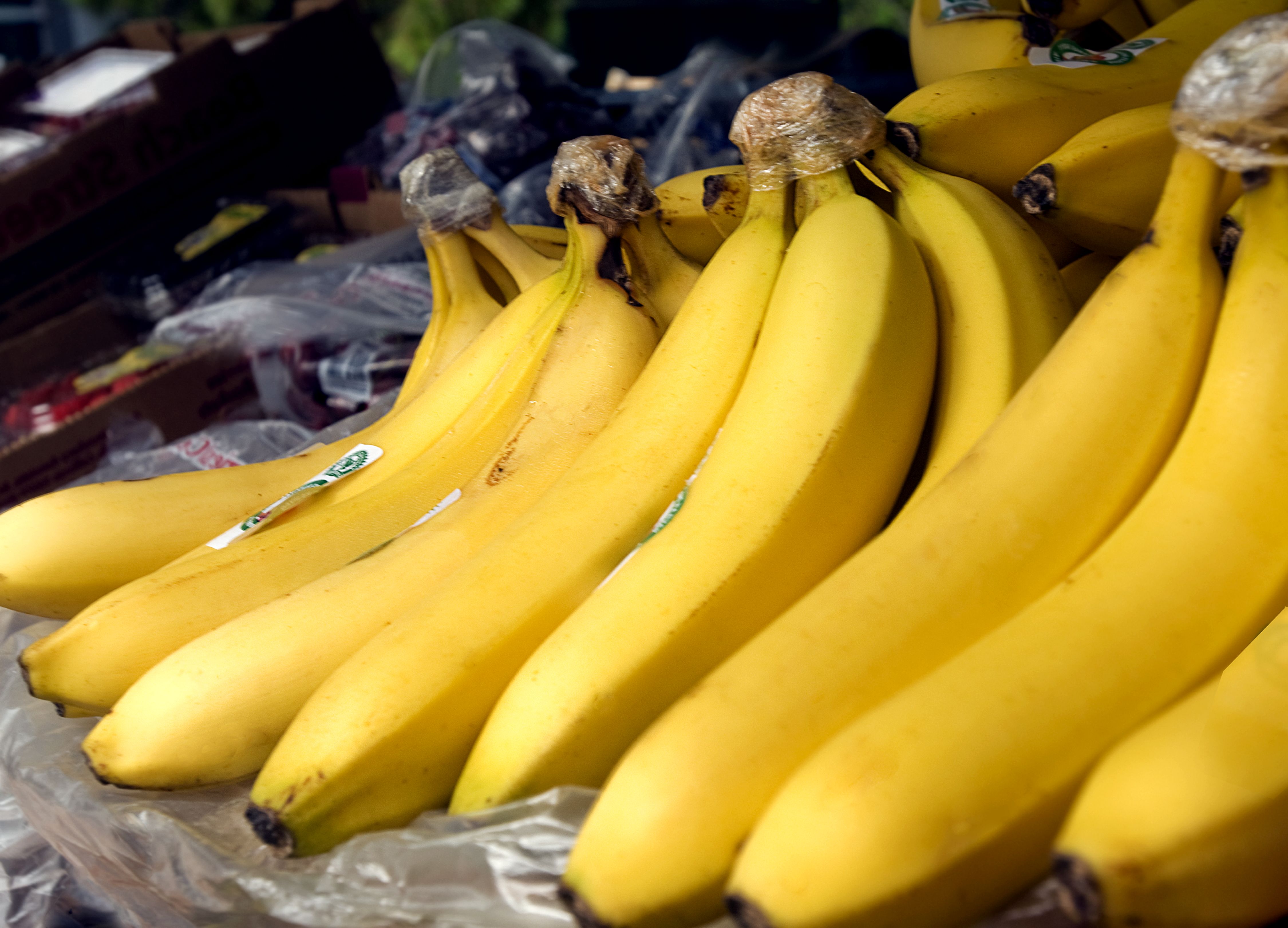
Free picture: up-close, ripe, bananas market
Close-up Sweet Fresh Banana Fruit Still Hanging On The Tree 50630364

Close-up Sweet fresh banana fruit still hanging on the tree 50630364 ...